
If a tile roof on your Commerce property needs attention, we can talk through the options with you. We work on residential and commercial buildings, from a single slipped tile to a full re-roof. Start with what you are seeing and what the building is used for.
Our tile work covers clay, concrete and slate. Suitable original tile can go back on after a lift and relay.
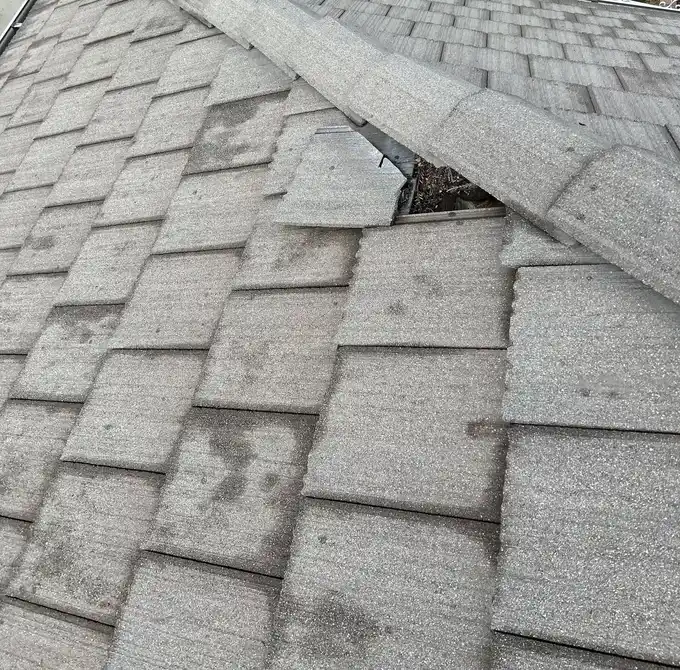
Tile roof work around the building's use
Tile roof work starts with the section that is affected, not the whole building. A homeowner and a property manager need the same first answer: which part of the roof is involved. Point us to where the problem shows and what sits under that area.
A tile roof can meet other roof systems where an addition or a flatter section joins the slope. We look at those connections before setting scope. Flashing and the next covering share the same work area.
We then plan access for the agreed work, including setup and how materials reach the roof. On an underlayment replacement, the tile comes off in sections and stacks on site, which needs room. Where that room goes depends on the building and how the areas around it are used.
Our roof repair work covers small jobs, leaks, loose tiles, shingle patches and flashing. A lift and relay replaces failed underlayment and reinstalls tiles that remain suitable for reuse. When the covering also needs replacing, we can discuss full roof replacement.
Access to the roof while the building is occupied
Roof work on an occupied building comes down to access and timing. We talk through entry points, staging space for material, and the areas below that need to stay clear.
Tell us who approves roofing work and who arranges access, whether that is the owner, manager or a tenant's contact. We can then direct questions about the work and schedule to them. If a permit is needed, we help the property owner pull it from the city.
Call (323) 616-1483 when you want a free estimate on the work. You can also use our contact page and describe the roof.
Work on adjoining roof sections
A tile slope can sit next to a low slope section with a different covering. Those flatter areas can carry a cap sheet, the granulated top layer of a built-up or modified bitumen assembly. That covering is not tile, and our flat and low slope work is primarily torch-down modified bitumen.
The city's Building and Safety resource provides permitting and inspection information. That lets you line up scope with city review and the property's owner or manager.
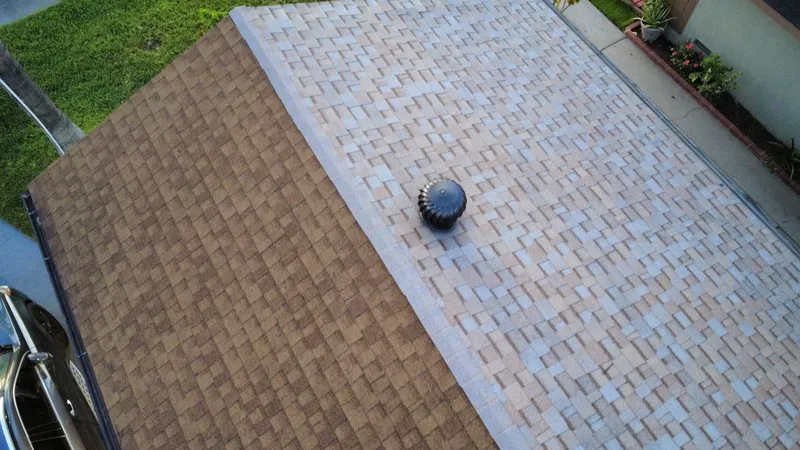
What sets the size of the job
Several conditions on the roof decide how large a tile job becomes. A tear-off strips the roof to the deck instead of overlaying a new covering on the old. Whether that applies depends on what the roof is carrying now.
Rot beneath the covering can add decking repairs to the job. Tile handling also takes work: a lift and relay requires us to remove the tiles and reinstall suitable pieces.
The measured items are easier to pin down early. Roof area in squares, the number of stories and the pitch all feed the scope. So does the count of existing layers.
When a buyer or an insurer needs the roof checked
We handle roof inspections in two situations, separate from repair work. Buyers in escrow have the roof's condition verified. An insurer can also require an inspection before renewing or writing coverage.
A detailed inspection with a written report is a paid service, separate from the free estimate. Let us know which one you need when you get in touch.
If your building sits outside Commerce
Commerce is one city inside the wider service areas for our tile roofing work. Bell, Maywood and Cudahy are other cities where we also work on tile roofs.
That coverage includes repairs, underlayment work and full replacement on homes and commercial buildings.
Tile roof questions
How long do tile roofs last in CA?
There is no single age that fits every tile roof in California. The tile covering and the underlayment beneath it are separate parts of the roof. What matters for your building is the present condition of both, which points toward repair, underlayment replacement or a re-roof.
How much does a new tile roof cost in California?
A new tile roof's cost depends on the measured roof and the removal and rebuilding involved. Identify tile and low-slope sections separately, then compare layer counts, deck allowances and tile handling. Access and staging also need planning while the building stays occupied.
What is flat roofing called?
A flatter section is described as low-slope roofing, with a separate name for its covering. Our main low-slope work uses torch-down modified bitumen. Where that section joins tile, include the connection and flashing in the scope discussion.
Call (323) 616-1483 to talk through the roof and get a free estimate on the work.
Tile Roofing Los Angeles is a division of Home Vision Remodel. Our license is CSLB #1112525.
(323) 616-1483