
Concrete tile forms the visible roof covering, with a waterproof underlayment beneath it. Repairs may involve the tiles, the underlayment or both. We check their condition to determine what needs attention.
We work on concrete tile for homes and commercial buildings in Los Angeles. That work runs from a leak repair to lifting and relaying a whole roof. Call (323) 616-1483 to ask for a free estimate.
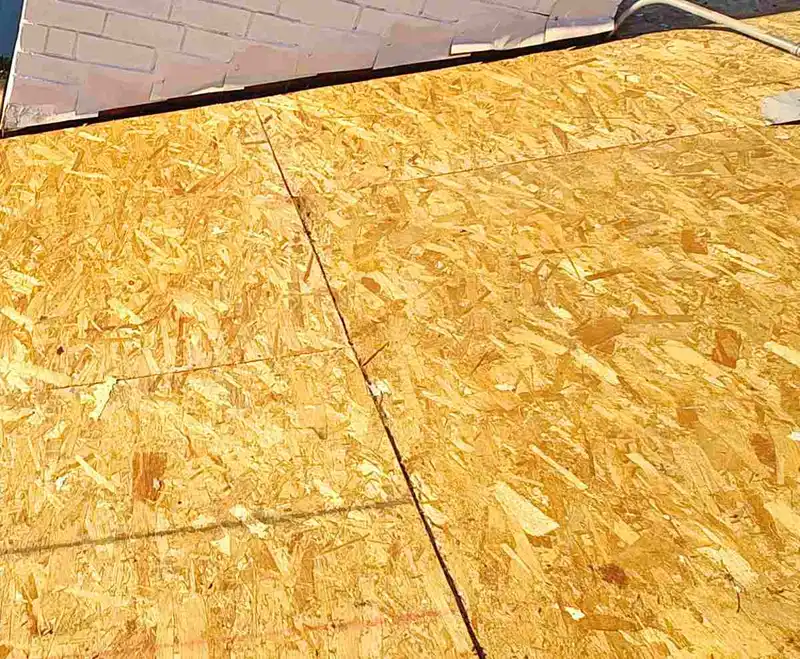
Concrete tile roof work
Concrete tile roofs differ by product and profile, and those differences matter once repair comes up. The condition of the tile and of the layers below it shapes the work. The material name alone does not settle either point.
Our concrete tile jobs include repair, underlayment replacement and full roof replacement. We work on tile roofs of all types, including clay, concrete and slate.
Identify the tile and its profile
The profile is the shape of the tile, and concrete tile comes in different profiles and product lines. Replacement pieces for a concrete roof need the same size and profile shape.
Color matching is a separate question from matching the tile’s shape.
Read the roof in layers
Concrete tile can look sound while the underlayment has already failed, and the tile hides that layer from view. What you can see from the ground may not show where the work belongs.
Our estimates for roofing work are free, but a detailed written inspection report is a separate paid service. Call (323) 616-1483 with what you have seen so far.
Cracked, slipped or mismatched tile
Cracked or slipped tiles need assessment along with the surrounding roof. Our roof repair services cover leaks, loose or slipped tiles, flashing and small jobs.
One manufacturer treats a crack or break across the face as grounds for replacement. The same guidance allows appropriate reuse of some tile with slight edge damage. In that guidance, the location of the damage matters, not its presence alone.
Tile breaks for more than one reason. Improper foot traffic and severe force can crack or break tile in place. New concrete tile can also break during shipping, delivery or installation.
A repair covers a defined area and puts the tile and flashing back in order where the problem is. It does not change the age of the underlayment across the rest of the roof.
Color is a separate matching question, because manufacturing differences, roof age, dirt and weathering can all affect it. We will not promise an exact color match.
Decide how much visible difference you can accept before a repair starts. If the answer is very little, the matching question belongs in the wider choice between repair and replacement.
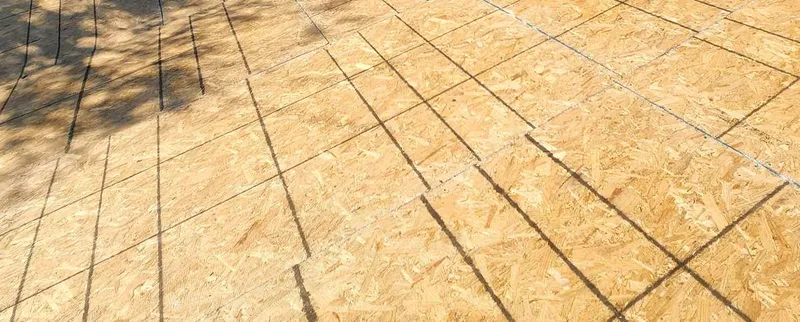
Underlayment and roof transitions
Flashing is the metal that seals roof-to-wall, chimney and valley transitions. Those transitions are the points where a roof plane stops and meets something else. Flashing work can run alongside tile and underlayment work on the same roof.
Tile can come off the roof and go back on afterward, which is what makes a relay possible. We call that work underlayment replacement on a tile roof, or lift and relay.
A relay replaces the waterproof layer under your tile rather than the covering on top of it. Suitability for reuse decides whether your own tile goes back down.
Sheathing is the deck surface beneath the underlayment, and stripping that layer exposes it for inspection. On a concrete tile roof, the relay runs in a set order.
- We work in sections, moving your concrete tile off the roof and onto stacks on site.
- We strip the failed underlayment down to the deck.
- We inspect the sheathing and replace what has rotted.
- We lay new underlayment.
- We put your own concrete tile back down, setting aside any piece that is no longer suitable for reuse.
Keep tile or replace the covering
Start with three questions about keeping your tile or replacing the covering. They are whether your tile can be reused, how far the damage runs and what roof you want next. Work through all three before you settle on a repair or a replacement.
Reuse is never automatic, and the condition of your own tile decides it. Tile that comes through lifting and handling in good condition can go back down. Tile that does not come through it stays off the roof.
The extent of the damage helps determine whether repair or replacement is appropriate. A problem confined to one area may need a smaller repair than damage spread across the roof.
Your plans for the roof belong in this decision too. Switching to a different roof points the job toward full roof replacement. That route means a tear-off: the old covering leaves the deck rather than staying under new material.
We help property owners pull the roofing permit a city or other authority with jurisdiction requires. Whether your project needs one depends on the project and on that authority. Call (323) 616-1483 to talk through your options.
| Work | Your tile | What the work covers |
|---|---|---|
| Roof repair | Reset or replaced where the problem is | Leaks, loose or slipped tile, flashing |
| Lift and relay | Lifted in sections, restacked when suitable | New underlayment and rotted decking |
| Full roof replacement | Comes off when the covering is torn off | The whole covering, replaced rather than repaired |
Review the proposed product and scope
Ask for the exact product and the exact scope in writing before you agree to anything. A proposal naming the tile, the underlayment and the flashing tells you more than a material label.
Concrete tile is not a single product, and the documentation is product specific. You can read a manufacturer's technical specifications for its own concrete tile lines. Use the documents that match the product on your proposal.
If you are still choosing a material, our comparison of clay and concrete tile sets out examples. Those examples help you ask sharper questions, but they do not approve a product for your roof.
You may want to check a proposed product against city guidance. Los Angeles publishes green building guidance through its building and safety department, so see whether it covers your product.
When you hold proposals side by side, start with the layers each one names. One may include new underlayment while another covers tile alone, and that difference matters. Two proposals can name the same tile product and still describe different amounts of work.
The product name matters after the job ends, because a named tile gives a future repair something to match. Keep that paperwork with your house records.
Decking is one item that stays open until the work starts. Its condition shows once the tile and the old underlayment come off. A written scope can still say what happens if rot turns up.
- Which tile product does the proposal name?
- Does the scope include new underlayment, or tile work alone?
- What happens if rotted decking turns up during the work?
- Which flashings are included at walls, chimneys and valleys?
- Is the plan to restack your original tile or to lay new tile?
Concrete tile roofing questions
What is the average cost of a concrete roof tile?
We quote the installed work rather than the price of a single tile. Roof area, building height, pitch and existing layers all affect the cost. Removing and reinstalling tiles or repairing rotted decking adds work, so call (323) 616-1483 for a free estimate.
What are the downsides of using concrete roof tiles?
Concrete tile can crack or break under improper foot traffic and severe force. Reaching the underlayment beneath the tile means lifting that tile off. Matching a replacement depends on size and profile, and color can vary with manufacturing, roof age, dirt and weathering.
Are concrete tiles good for roofs?
Concrete tile can suit a roof when the specific product fits the planned assembly. It can also be repaired or reused over new underlayment when its condition permits. Check the product specifications, tile condition and layers below before choosing it.
The tile you can see does not settle whether the job is a repair, a relay or a re-roof. Call (323) 616-1483 for a free estimate on concrete tile work, or send the details through our contact page.
We work on residential and commercial roofs in Los Angeles and the other cities we serve. Our license is CSLB #1112525.
Tile Roofing Los Angeles is a division of Home Vision Remodel.
(323) 616-1483