
Tile roof work in Beverly Hills may involve the covering, the underlayment or the decking beneath it. We check the damaged parts and how far the damage extends. We work with clay, concrete and slate tile.
The right route can differ from one structure to the next on the same property.
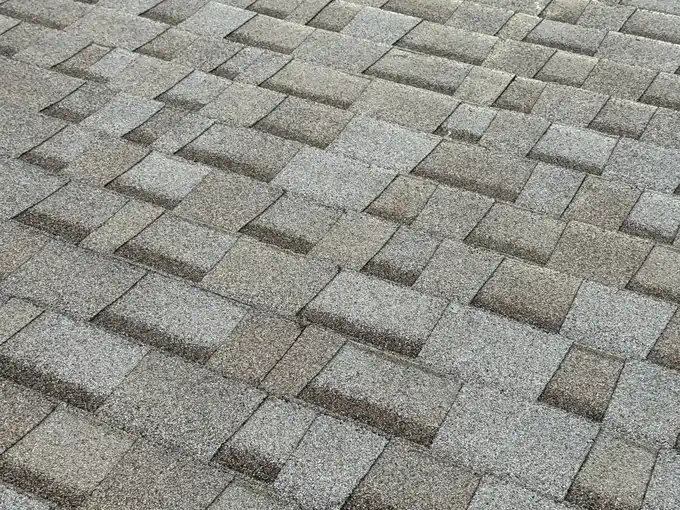
Tile roof work on the house and detached structures
The city's roofing page states that separate structures require separate roofing applications. Each affected roof is worth looking at on its own terms.
Which roofs leak, which ones show damage, and which ones you want included belong in the scope. That list sets what a free estimate needs to cover on each home or commercial building you include.
Tile profile and the condition of the existing tile come first on any structure. Profile describes the shape of the tile on that roof. Whether replacement pieces suit that profile is one of the things we check.
A problem on one structure does not mean every roof on the property needs replacing. Where the condition supports it, we repair the affected assembly, including leaks, loose or slipped tile, flashing and shingle patches. Flashing is the metal that seals roof to wall, chimney and valley transitions.
If the problem stays in one area, our roof repair work may be enough for that structure. Once we know the condition of each roof, we can explain which scope of work suits it.
For each structure you want included, hold four details together:
- Which roof the scope refers to, named the same way across your records.
- What you have observed on that roof, such as a leak or a loose or slipped tile.
- What work is proposed on that roof: repair, underlayment replacement or a full re-roof.
- Which photographs and product records belong to that same structure.
Tile roof repair
Repair, underlayment replacement and full replacement are three different scopes of work on the same roof. A repair addresses a specific failure while the rest of the assembly still holds. We work at the failure and leave the sound tile around it in place.
We take small jobs as well as large ones on a tile roof. A slipped tile on one slope does not have to become a whole roof project. If the failure runs wider than that, we say so.
A leak can trace back to the tile, the flashing or the layer underneath. Water can get in through failed flashing while the tile around it looks sound. Repair work covers that kind of transition as well as the tile itself.
The layer that let the water in decides what a repair has to cover. Identifying that layer first keeps the repair aimed at the real failure.
Repair has limits. When the underlayment has failed beyond the immediate area, we look at whether replacing it serves the roof better.
Underlayment replacement under existing tile
Underlayment is the waterproof layer beneath tile or shingle. When that layer fails and the tile is still sound, we can lift and relay the roof. The original tile goes back on, and we replace the layer underneath it.
Restacking the original tile depends on its actual condition, so we check suitability before we plan any reuse. Pieces that are cracked or damaged may not be able to go back on. If some cannot, we talk through replacement options for that roof.
Decking, also called sheathing, is the surface under the underlayment. Rot that was hidden under the tile changes what the job involves. Repairing bad decking belongs to this work, not to a separate project.
Lift and relay is the name for that scope, because the tile comes off and goes back on. Our tile roof underlayment replacement work follows a set order:
- Work across the roof in sections, removing tile and stacking it on the property.
- Pull the failed underlayment off until only the deck is left.
- Go over the exposed decking and replace the rotted parts.
- Lay new underlayment.
- Restack the original tile.
Full roof replacement
When the covering is past repair, roof replacement is the route for that structure. Replacement covers the whole roof rather than one area of it. Tear-off means stripping to the deck instead of laying a new covering over the old one.
Some roofs already carry more than one layer, because an earlier covering went on over an older one. Each of those layers has to come off before the deck is clear. That is one of the answers that sets the size of a re-roof.
Stripping to the deck also shows what the old covering was hiding. Rot under the covering is one reason a re-roof can turn out bigger than it first looked. Replacement is also where you decide which tile goes back on.
Matching existing tile
Matching starts with two questions about your existing tile: its profile, and the condition of the pieces. Color and current availability depend on the tile itself, so neither is a given. We can look at what your roof carries and what is compatible with it.
Profile and condition change what a proposal for your roof is actually describing. One proposal may assume your original tile comes off and goes back on the same roof. Another may include replacement pieces for tile that cannot be reused.
It helps to know which existing tile the plan keeps and what is still unchecked. If pieces turn out to be unavailable or unsuitable, the scope changes with them. Ask us what a proposal assumes about your tile, so the answer is settled early.
Those questions apply whether the roof carries clay tile, concrete tile or slate. Each answer comes from the tile already on your roof.
Two buildings on one property may not carry the same tile. Replacement pieces for one roof may not suit the other. We confirm what each roof has before we scope replacement pieces for it.
Appearance belongs in that decision too, alongside profile, present condition and suitability for reuse. In Beverly Hills, each structure is documented on its own roofing application. We look at the tile on each roof separately.
Call (323) 616-1483 for a free estimate, and we can work through those questions with you.
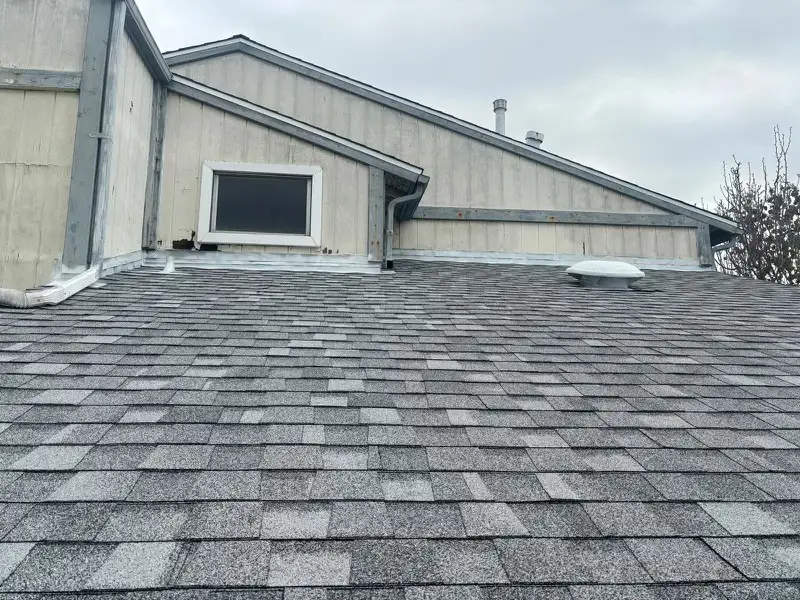
Roof photos and product records for Beverly Hills
The city requests photographs of the existing roof and building, along with product documents. Reading that guidance early helps you decide which buildings belong in the estimate you ask us for.
Photographs and product documents answer different questions about the same roof. Photographs show the existing roof and building as they stand now.
Product documents describe the material rather than the building. Read each record next to the proposal written for the same job.
Where a property has more than one structure, keep each set of records with its own roof. If a proposal keeps your original tile while the product document names another tile, ask which one applies. The proposal and the record should agree on what goes on that roof.
We may ask for photos of the affected area when we talk with you about your roof. Clear images of the problem help us understand what you are seeing.
Permit help for roofing work
When a roofing permit is required, we can help you pull it. That may go through the city, or through another authority with jurisdiction over the work. Authority with jurisdiction means the body that issues the permit.
Approval rests with that authority. Whether a permit applies to your project is a question we raise with you. That question comes up once we know the scope of work.
When a buyer or an insurer wants the roof inspected
We inspect tile roofs for buyers in escrow who want the condition of the roof verified. We also handle inspections when an insurer requires one before renewing or writing coverage.
An inspection report and an estimate answer different questions. The report describes the condition of the roof, while an estimate covers roofing work we would carry out. We also want to know what the buyer or the insurer asked the report to cover.
There is no charge for our estimate on roofing work. A detailed inspection that ends in a written report is its own paid service. If you are unsure which of the two you need, ask us at (323) 616-1483.
What decides the size of the work on each roof
The size of a tile roof project comes down to a few conditions on the roof itself. Some you can see from the ground, and some sit under the covering.
Rot under the covering can stay out of sight until the tile and underlayment come off. How much of it there is may not be known at the start. Once we expose the deck, we replace the sheathing that has rotted.
These conditions change the size of the job:
- How much roof area there is, counted in units called squares.
- How many stories the building has.
- How steep the roof is, which roofers call the pitch.
- Whether there is rot under the covering.
- Whether the job includes lifting the tile and restacking it.
- How many layers the deck already carries.
Where we work
We cover Beverly Hills for tile roofing, along with West Hollywood, Culver City and Santa Monica. We take the same work in those cities, on homes and commercial buildings. Our service areas reach other incorporated cities across the Los Angeles region.
Tile roof questions
What is the lifespan of a tile roof in California?
There is no single age we can give you, because the covering and the underlayment are separate layers. Sound tile can go back on a roof whose underlayment has failed, which is the lift and relay route. What your roof has left depends on the condition of each layer, not on the tile's age alone.
Can tile roofs be repaired?
Yes, a slipped tile on one slope can remain a limited repair rather than a whole-roof project. On properties with detached structures, identify which roof has the fault. Each roof's tile, flashing and hidden layers need their own assessment.
How do you replace the underlayment on a tile roof?
We remove the tile and old underlayment, examine the deck, and replace rotted sheathing before laying fresh underlayment. Only suitable original pieces return. Check the proposal's replacement-tile assumptions, since profile, color and availability can affect what goes back on each structure.
Tell us which structures need work and what you are seeing on each one. Call (323) 616-1483 for a free estimate on tile repair, underlayment replacement or a re-roof. You can also send the details through our contact page.
Tile Roofing Los Angeles is a division of Home Vision Remodel. CSLB #1112525.
(323) 616-1483