
We handle small tile repairs and full reroofs in West Hollywood. Call us about a loose tile, a leak or a roof you want to replace.
Start by telling us what your roof is covered with and what you have been seeing. We work on clay, concrete and slate tile. From there we can talk about a repair, new underlayment, or a new covering.
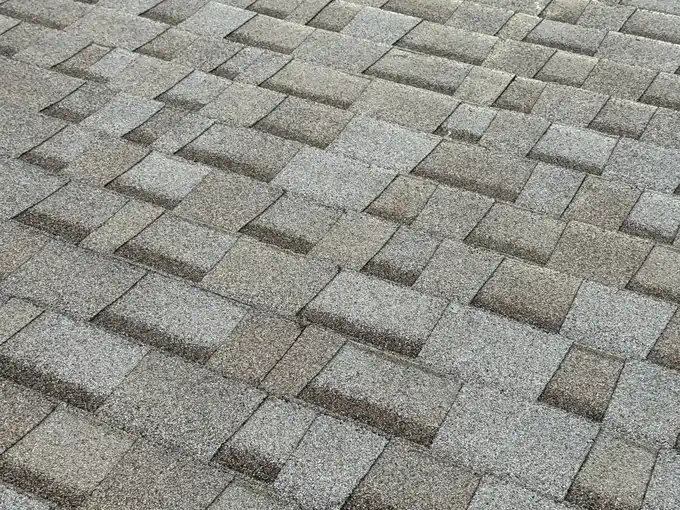
Tile repairs and underlayment work
Tile repair starts with the damaged tile and with everything sitting around it. Our roof repair work covers leaks, loose or slipped tile, shingle patches and flashing. Small jobs belong in that list.
The first questions are plain ones about the covering, the location and the timing. What is on the roof, where is the problem, and when did you first notice it? Clear photos of that area give us a useful place to start.
The spot where you noticed the problem is a starting point, not a conclusion. We do not assume that the trouble sits directly above the place you can see. Instead, we look at the tile, the flashing and the layers underneath it.
Flashing is the metal that seals roof-to-wall, chimney and valley transitions. We check the flashing near a damaged area before drawing any conclusion. So a problem near a wall, chimney or valley brings those seals into the conversation.
We assess the underlayment beside that area as well. Underlayment is the waterproof layer beneath tile or shingle, so it stays out of sight.
The condition of that layer is not something anyone can read from the driveway. Seeing it means lifting the tile above it.
Tile appearance alone cannot establish the condition of the layers below it. A tile that looks sound can still sit over underlayment or decking that is not. Decking, also called sheathing, means the structural boards under the roof covering.
A repair conversation covers the tile, the flashing, the underlayment and the deck together. Suitable tile goes back on after you approve the underlying work and we finish it. The order matters, because the covering goes back over work you have approved.
Whether a particular tile can be reused depends on its actual condition. We check that when the tile comes off, and what we find shapes the options we give you.
Keeping suitable tile or changing the covering
A damaged tile does not always mean you need a new roof. If the underlayment has failed, we need to lift the tile to replace that layer. Tiles suitable for reuse can go back on; worn or damaged coverings may need replacement.
Keeping the tile means a tile roof underlayment replacement, known in the trade as a lift and relay. We take the old underlayment off, repair bad decking, and put down a new waterproof layer. Your original tile then goes back onto the roof over that new layer.
Where suitable original tile can go back on, the roof keeps the covering it already has. Reuse follows the actual condition of the tile rather than a promise made in advance.
If tile cannot go back on, the plan changes. Changing the covering means a full roof replacement rather than a relay. A tear-off strips the roof to the deck rather than laying new covering over the old.
We assess the roof before recommending repairs, new underlayment or a full reroof. You do not need to choose the work before you call. Tell us what you have noticed, and we can discuss the next steps.
How we handle your tile during a relay
The tile comes off first and stays stacked on your property while the work goes on. Stacking it on site keeps the original tile available for restacking, if it proves suitable.
Each step waits on the one before it. New underlayment goes down after the deck is sound, and the original tile returns last.
What turns up under the tile decides how much decking work the job needs. The work runs like this:
- Remove the tile section by section and stack it on the property.
- Take the failed underlayment off until only the deck remains.
- Go over the sheathing and replace boards that have rotted.
- Lay new underlayment.
- Restack the original tile.
West Hollywood reroof documentation
The city publishes its building and safety guides and handouts online. That directory includes a residential reroof compliance certificate. Reading it is useful while you are still weighing a relay against a new covering.
The certificate has spaces for the project address, the climate zone and the permit number. It also sets out a roofing product table separating product type, roof slope and product weight.
Those headings matter while you are choosing between reusing tile and a new covering. Restacking suitable original tile keeps the covering you already have, while a new covering means a different product. The product details behind those two choices are not the same.
A product identification field appears as well. For that identifier the certificate points to the Cool Roof Rating Council product directory.
A declaration area carries name, signature, company and date fields. Together with the project address and permit number, those fields tie the document to one job.
What applies to a given scope, including whether a project needs a permit, is the city's call. We help property owners pull the required roofing permit from the city or other authority with jurisdiction. Check the city's current direction for your own project.
When a certificate does come into your project, the fields above are worth reading closely. Does the product recorded on the form match the covering you expect to end up with? Do the address and permit number point to the job you are discussing?
If something does not line up, raise it with the city or the document's preparer. Asking early keeps the paperwork and the planned work describing one project.
Bring the paperwork question to us along with the roof question. The route you choose changes the details involved, so the two are worth settling together.
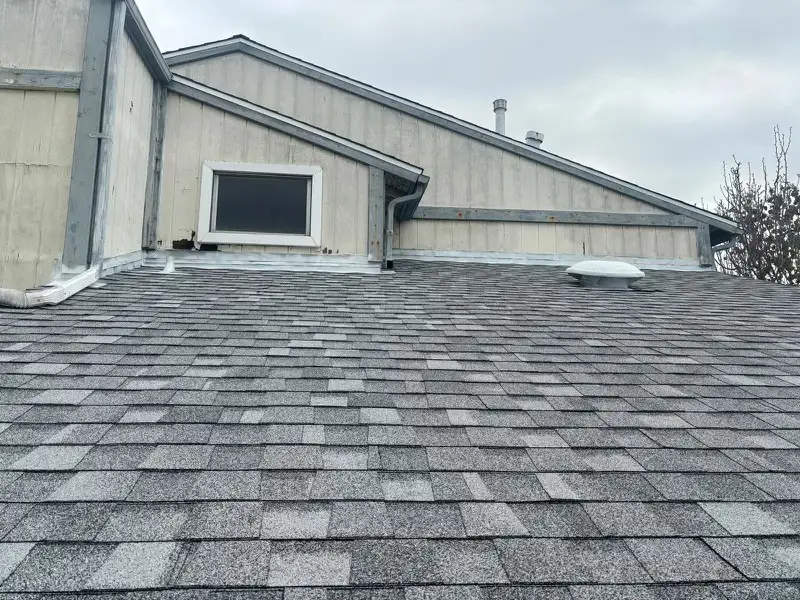
Escrow and insurer inspection requests
Our scope includes two roof inspection drivers. One is a buyer in escrow who needs the condition of the roof verified. The other is an inspection an insurer requires before renewing or writing coverage.
An inspection is not a repair, though one can follow the other. If tile or underlayment problems come up, repair and relay are work we already do. Either way, we work from what the request actually asks for.
A written inspection report and a sales estimate answer different needs. Our sales roofing estimates are free, while a detailed inspection with a written report is a paid service.
Call (323) 616-1483 if an escrow or insurance deadline is driving your timing. Say which inspection the request is for, and what date you are working to.
What the estimate has to account for
What a tile project involves depends on the roof rather than on a standard package. Two roofs of the same size can need different work once the covering comes off. A free estimate is where we go through the scope of your own roof.
Some scope points decide the route rather than the size of the job. Existing layers matter to a tear-off, which strips the roof to the deck rather than covering it over. Removing and restacking the tile belongs to the relay path.
We can ask about some of these on the phone. Others only become clear once the covering is off and the deck is visible.
We ask about the covering, the building and the problem before anything else. These are the points that set the scope of a tile project:
- How many squares the roof covers
- How many stories the building has
- The pitch of the roof
- Whether there is rot under the covering
- Whether removing and restacking the tile is part of the work
- The number of existing layers on the deck
What to have ready for a free estimate
A free estimate starts with a description of the roof. Say whether the concern shows up in one spot or in several. The number of stories matters too, since it shapes the scope.
Mention reroof paperwork or an inspection request if either applies to your job. Those sit alongside the roof work and change what we go over with you. We may ask for more as the conversation goes on.
You can call with those details ready, or contact us through the site instead.
Buildings and areas we cover
Tile means clay, concrete or slate, and all three are roofing we take on. Residential and commercial buildings both sit inside that work, on a repair or a full reroof.
Your building's use is worth mentioning when you call. The covering and the condition still drive the work either way.
We cover tile roofing across Los Angeles, and West Hollywood is one of our service areas. If your building sits in Beverly Hills, Culver City or Burbank instead, start on that city's page.
Tile roof replacement cost
What is the average cost of a tile roof replacement?
No single average would fit your roof, because a replacement changes with what the job has to cover. How many layers come off, what the deck looks like underneath, and whether your tile returns all count. Our free estimate prices your West Hollywood job, while a detailed inspection report stays a paid service.
Can tile roofs be repaired?
Yes, loose tile and leaking flashing can be small repair jobs on a West Hollywood property. The visible problem starts the assessment; checking surrounding tile and hidden layers shows whether that limited scope is enough.
How much does it cost to get a roof checked?
A roofing sales estimate is free, while a detailed inspection with a written report is paid. For an escrow or insurer request, call with the required documentation and ask for the current fee. That report serves a different purpose from pricing repairs.
Call (323) 616-1483 and tell us about your tile roof in West Hollywood. Our sales roofing estimates are free.
Whether the job is one slipped tile or a full reroof, the first step is the same. Describe the roof, and the choices get clearer from there.
Our license is CSLB #1112525. Tile Roofing Los Angeles is a division of Home Vision Remodel.
(323) 616-1483