
Tile roofs in Culver City can need a single slipped tile fixed, or the whole covering replaced. We work on clay, concrete and slate tile, and on the underlayment beneath it. Call (323) 616-1483 to ask for a free estimate.
We handle repairs, underlayment replacement and reroofs on homes and commercial buildings. Lifting the tiles can reveal damage that was hidden beneath them. We assess that damage before deciding how much work is needed.
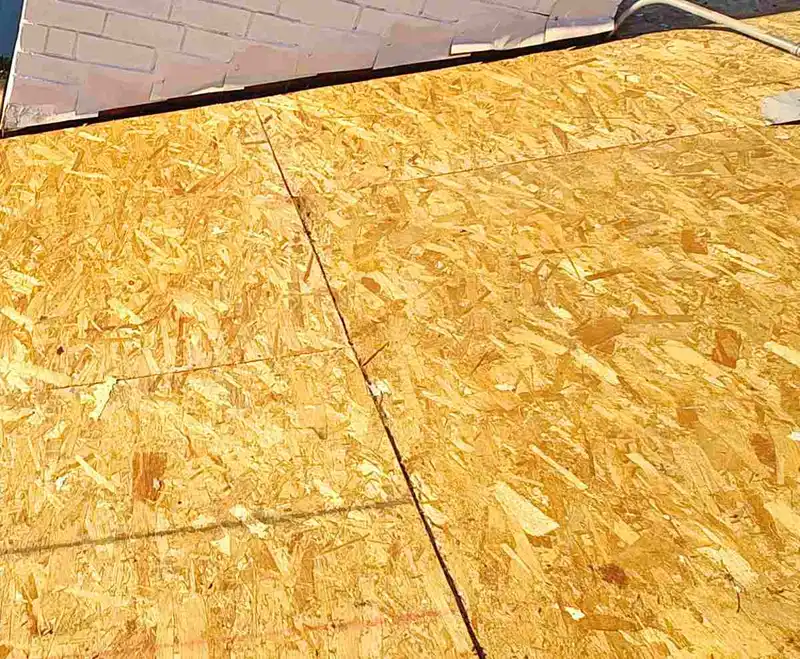
Tile roof repairs and project milestones
Some tile roof problems stay at the surface, and some reach the layers underneath. We handle roof repair, including small jobs such as leaks, loose or slipped tile, shingle patches and flashing. We also take on full roof replacement and re-roofs.
You can call about a single problem area on its own. We repair the part that is failing, such as a slipped tile or a length of flashing. Whether that answers the whole problem depends on what the surrounding roof shows.
Leaks tell you something is wrong without telling you the scope. Flashing is the metal that seals roof-to-wall, chimney and valley transitions. Water showing at one of those points can lead to flashing work instead of tile work.
Before any tile comes off, we agree what the work covers. On a tile project, we lift tile where the agreed scope requires it and stack it on site. That brings the underlayment into view, the waterproof layer beneath tile or shingle.
Where the underlayment has failed, we strip it down to the deck. With the sheathing exposed, we assess the decking, the structural boards under the roof covering.
Your original tile stays on site while the underlayment and deck work goes on. It goes back on when its condition and suitability allow, so reuse is never automatic.
One leak does not prove that a roof needs the full sequence. A full re-roof changes the covering instead of restoring what is already there. Tear-off means stripping to the deck rather than overlaying a new covering on the old.
Underlayment replacement, also called lift and relay, can keep suitable tile on the building. The tile comes off in sections, and the work runs in a set order.
| Milestone | What happens |
|---|---|
| Agreed scope | We set what the work covers before any tile comes off |
| Deck assessment | We check the exposed sheathing once the underlayment is off |
| Revised scope | A hidden condition can change the estimate and the coordination |
| Tile reuse | Condition and suitability decide whether your tile goes back on |
The proposed work and the Culver City permit record
Culver City publishes a Building Safety Permits page that lists reroofs. The same page provides an online permit portal with permit status and inspection status functions.
We help property owners pull the required roofing permit from the city or another authority with jurisdiction. That authority decides whether a given project needs one. We can handle the paperwork side with you while the scope takes shape.
You can look up permit status and inspection status yourself on that portal. It gives you the city's own record of where a project stands.
When a deck finding changes the proposed work, you can ask what it affects on the permit side. It also helps to check that the record you read covers the project we are discussing. Permit help is something we handle with you, and the record itself stays with the city.
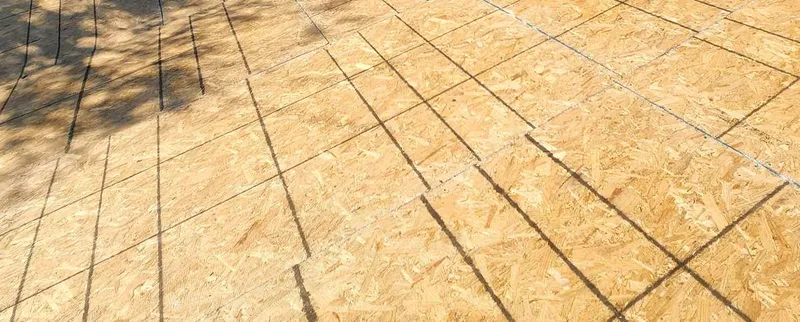
When a buyer or an insurer needs the roof checked
An insurer can ask for a roof inspection before it renews a policy or writes new coverage. Escrow raises the same question from the buyer's side, about the condition of the roof being sold. We handle both.
An inspection report describes the roof's condition. What it records can point toward a repair, underlayment replacement or a new covering. We would set the scope from there.
You do not have to choose the work first. You can ask for a report on the roof's condition, then decide what to do about it. If you already know what is failing, ask for an estimate instead.
Estimates and inspections answer different questions. The free sales estimate covers the work we would do, while a written inspection report covers roof condition. Tell us which one you need, because the report is a separate paid service.
The tile we work with and the buildings we cover
We work with all types of tile, including clay, concrete and slate. Lift and relay covers each of them, though reuse still depends on the tile's condition. Roof repair also covers shingle patches and flashing when that is what a roof needs.
Roof area and stories carry building size into the scope on a house or a commercial property. The covering, the underlayment and the deck raise the same questions on either one. The same goes for escrow and insurer inspections, and for permit help.
What the estimate has to account for
The scope of tile work comes from practical facts about the building and the roof.
Roof area and building height affect how much work is needed and how we reach it. Existing layers and rotted wood can add removal work. A lift and relay also requires us to remove and reinstall the tiles.
Some of these you already know without going up on the roof. How many stories the building has, and where water is showing, help us frame the scope. The rest comes out as the scope takes shape.
It also helps to say whether the tile is clay, concrete or slate, and if any has slipped. Tell us as well if it is a commercial building rather than a house.
A repair estimate and a replacement estimate answer different questions about the same roof. One covers the area that is failing, and the other covers the whole roof. Underlayment replacement sits between them, since the work reaches the layer under the tile and the deck.
Ask for more than one estimate if the roof sits between those routes. We work through these drivers when we put an estimate together.
- How much roof area the work covers, which we count in squares
- How many stories the building has
- How steep the roof is, which we call the pitch
- Whether there is rot under the covering
- Whether the tile lifts off and returns, or stays in place
- How many existing layers the roof carries
Culver City and the cities nearby
Culver City sits inside our service area, and we work across the cities around it.
Inglewood, Beverly Hills and West Hollywood are among them. That coverage is part of our wider work on tile roofing across Los Angeles.
Clay, concrete and slate are all within our work.
Tile roof questions
What is the lifespan of a tile roof in California?
The National Park Service gives historic clay roofing material a life expectancy of generally about 100 years. That figure covers historic clay material, not every California tile system, and it stresses scheduled maintenance and condition. Tile can stay intact while the underlayment or sheathing beneath it needs repair.
Can tile roofs be repaired?
Yes, including a slipped tile or a failing length of flashing. A repair can stay small when the surrounding roof supports that approach. If opening the area reveals wider underlayment failure or rotten boards, we explain the additional work before defining that scope.
What does a roof inspection include?
The inspection reviews roof condition, including the covering and roof transitions. A written report can inform your choice between repair, underlayment work and replacement. If an insurer or escrow buyer requested it, share that request before booking the paid inspection.
Call us to discuss repairs, new underlayment or a replacement covering for your Culver City roof.
Call (323) 616-1483 for a free estimate on your roof. Our contact page is there if writing suits you better. We work under CSLB #1112525.
Tile Roofing Los Angeles is a division of Home Vision Remodel.
(323) 616-1483